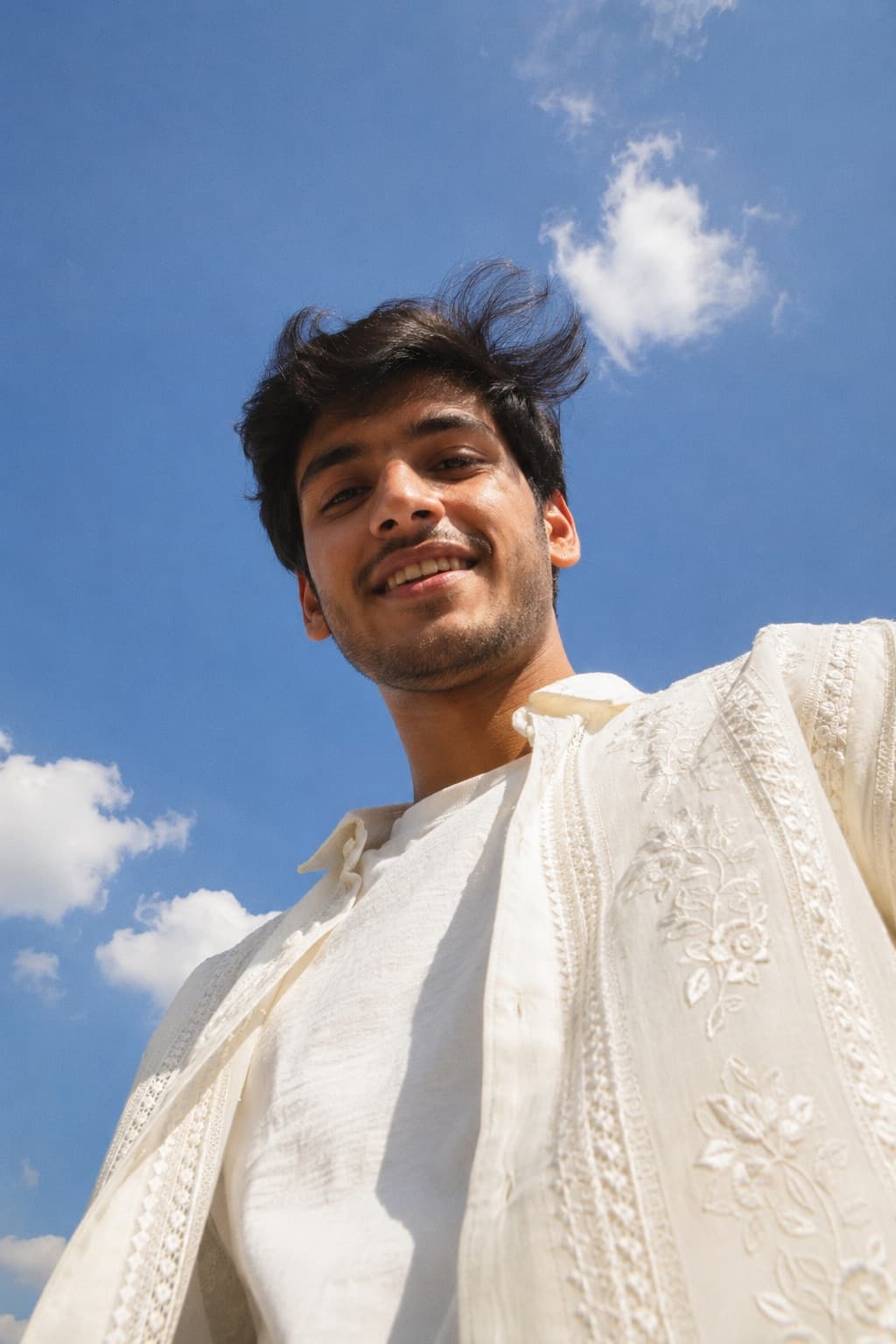
Lucknow · Est. 2026

AABRU by QAS

by QAS

Shadow work for the streets. Two-hundred-year-old hand embroidery, cut for right now.

آبرو — لکھنؤ کا سایہ کام

Hand-stitched in LucknowShadow work embroideryHeavyweight cottonKarigar-signedLimited drops only

The Idea

Two hundred years of craft. A brand-new silhouette.

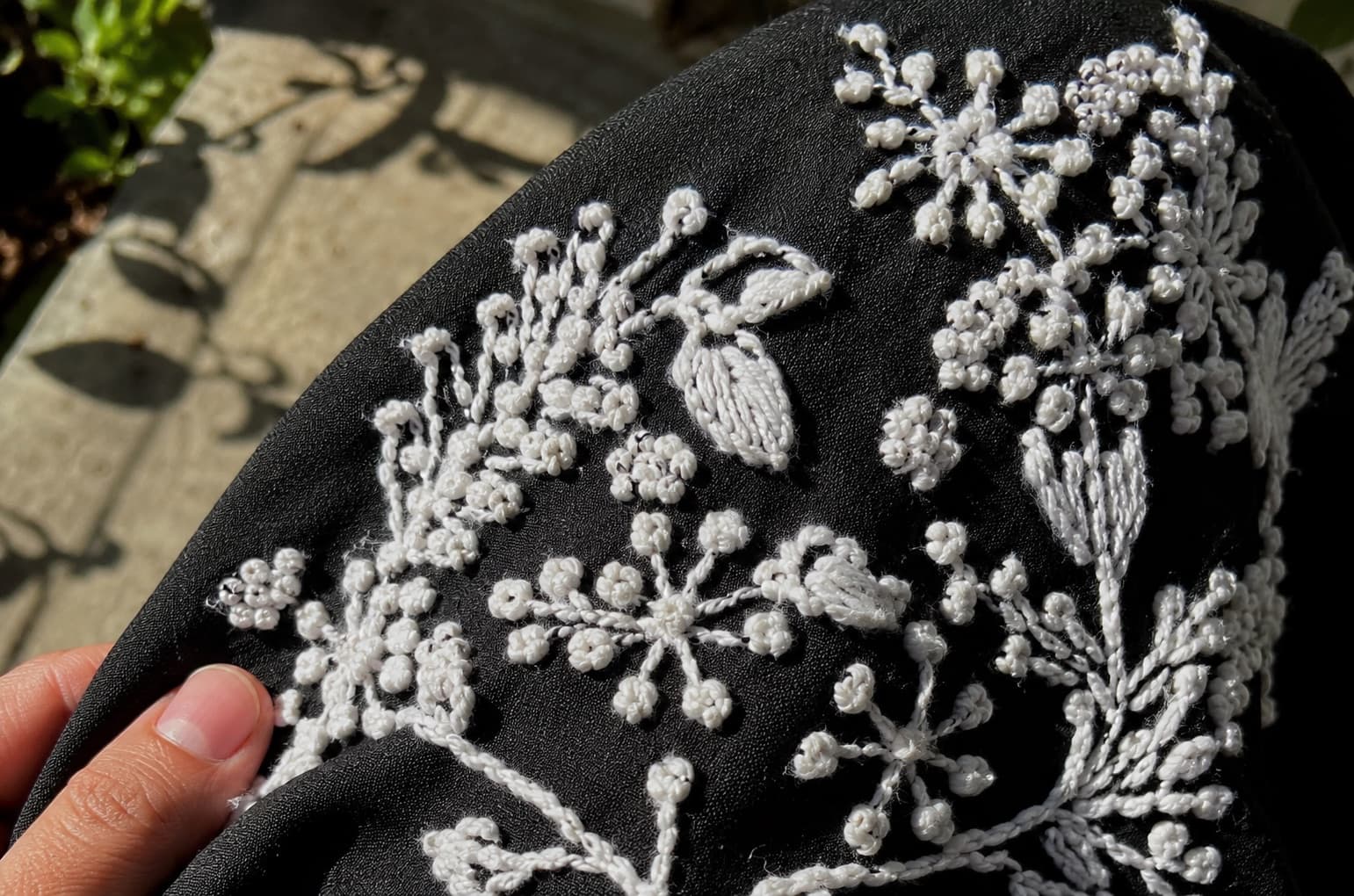
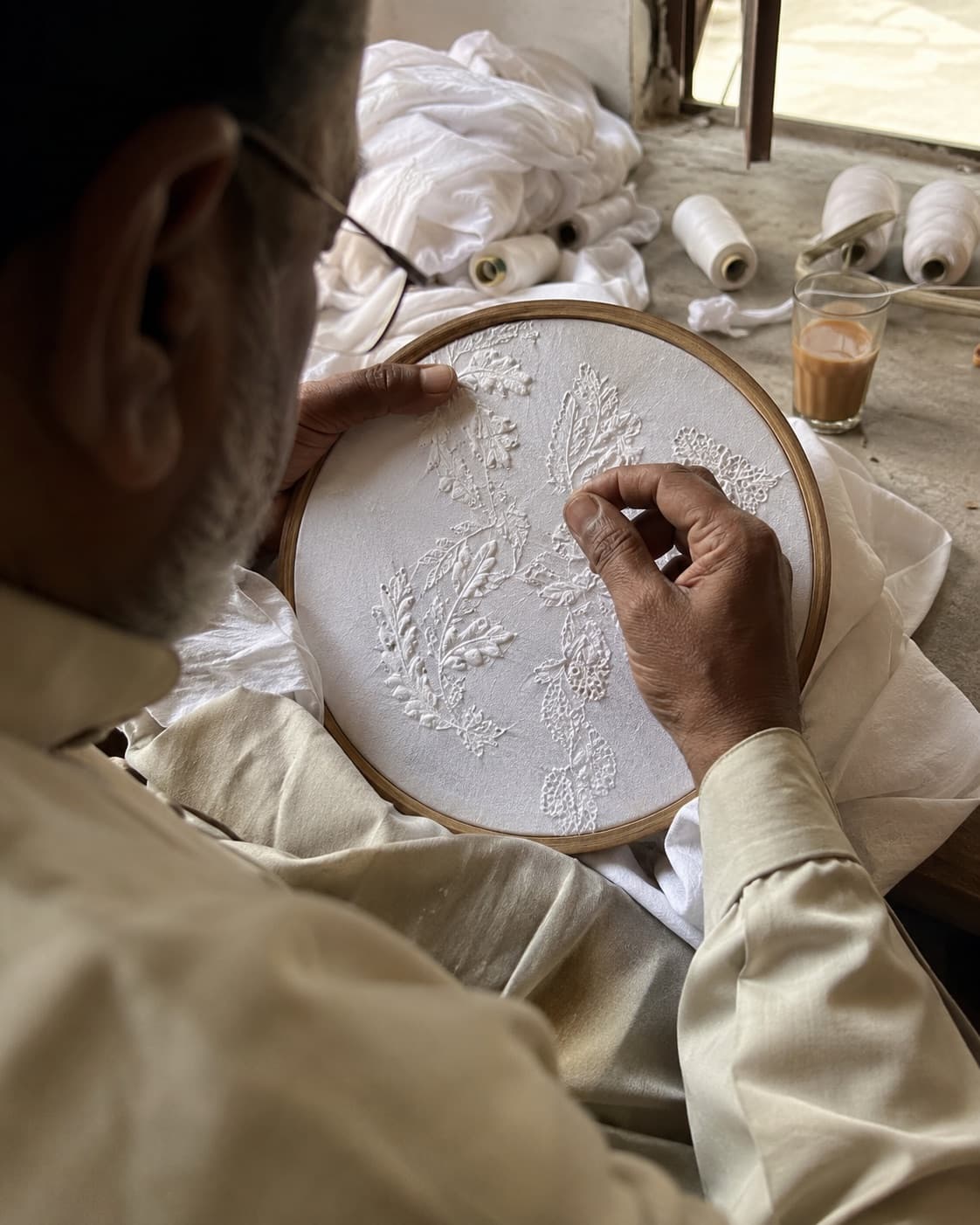
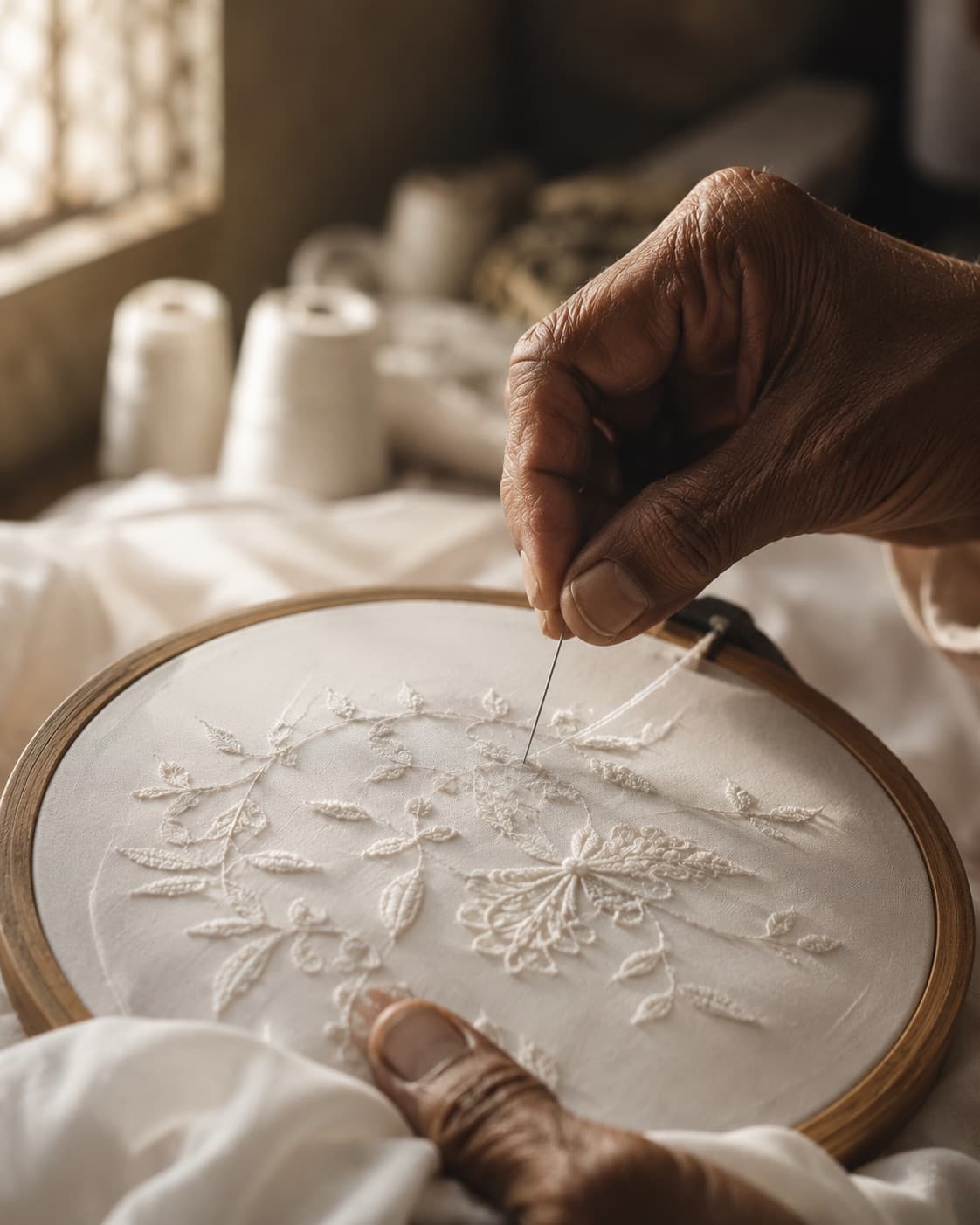
Chikankari is the embroidery the world calls shadow work — thread stitched on the reverse of the cloth so the pattern glows through the front. It dressed the courts of Awadh, then spent fifty years filed under “ethnic” — a whole craft shrunk to one aisle, and the women who wear it given one occasion to wear it on.

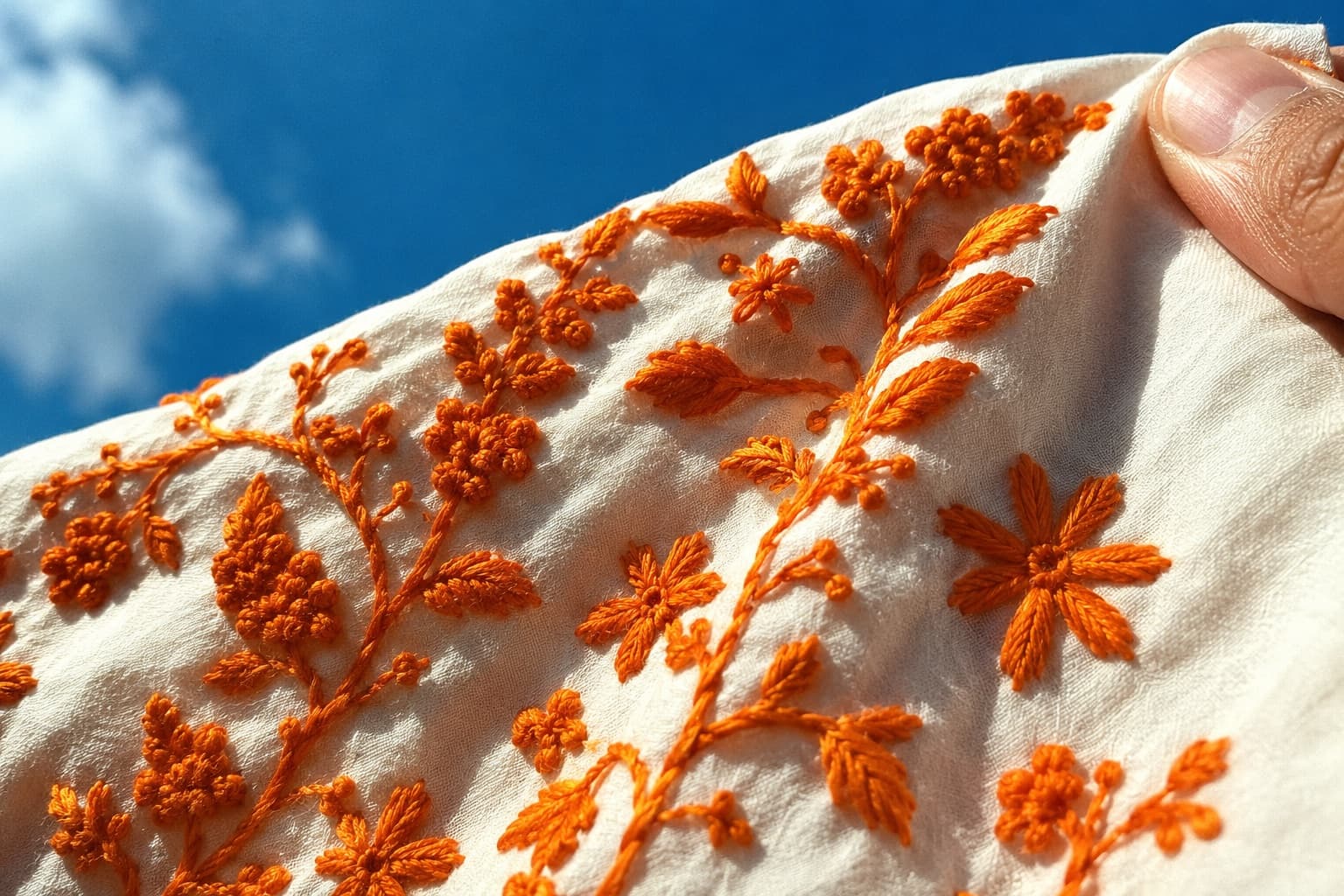
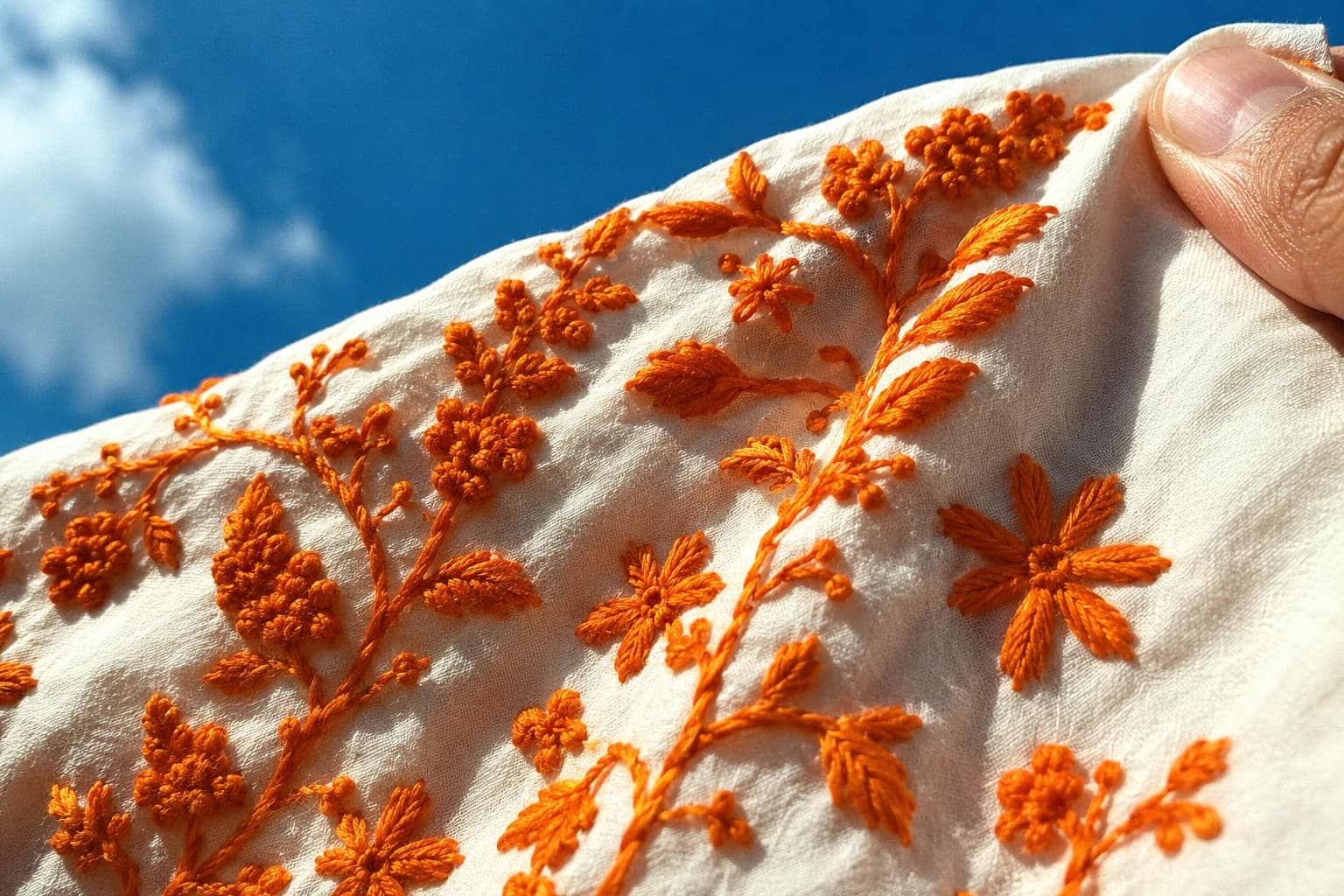
Aabru takes the same hands, same stitches, same Lucknow — and puts them on oversized tees, overshirts, hoodies and pump covers. Not fusion. Not costume. The craft, worn the way we actually dress.

Nine in ten chikankari karigars are women. Every piece is stitched in Lucknow and named on the tag. No machine embroidery. Ever.

Close-up of a woman karigar's hands embroidering white thread on cotton stretched in a wooden hoop

Three Lines

Court. Street. Sweat.

LINE — I

دربار

COURT
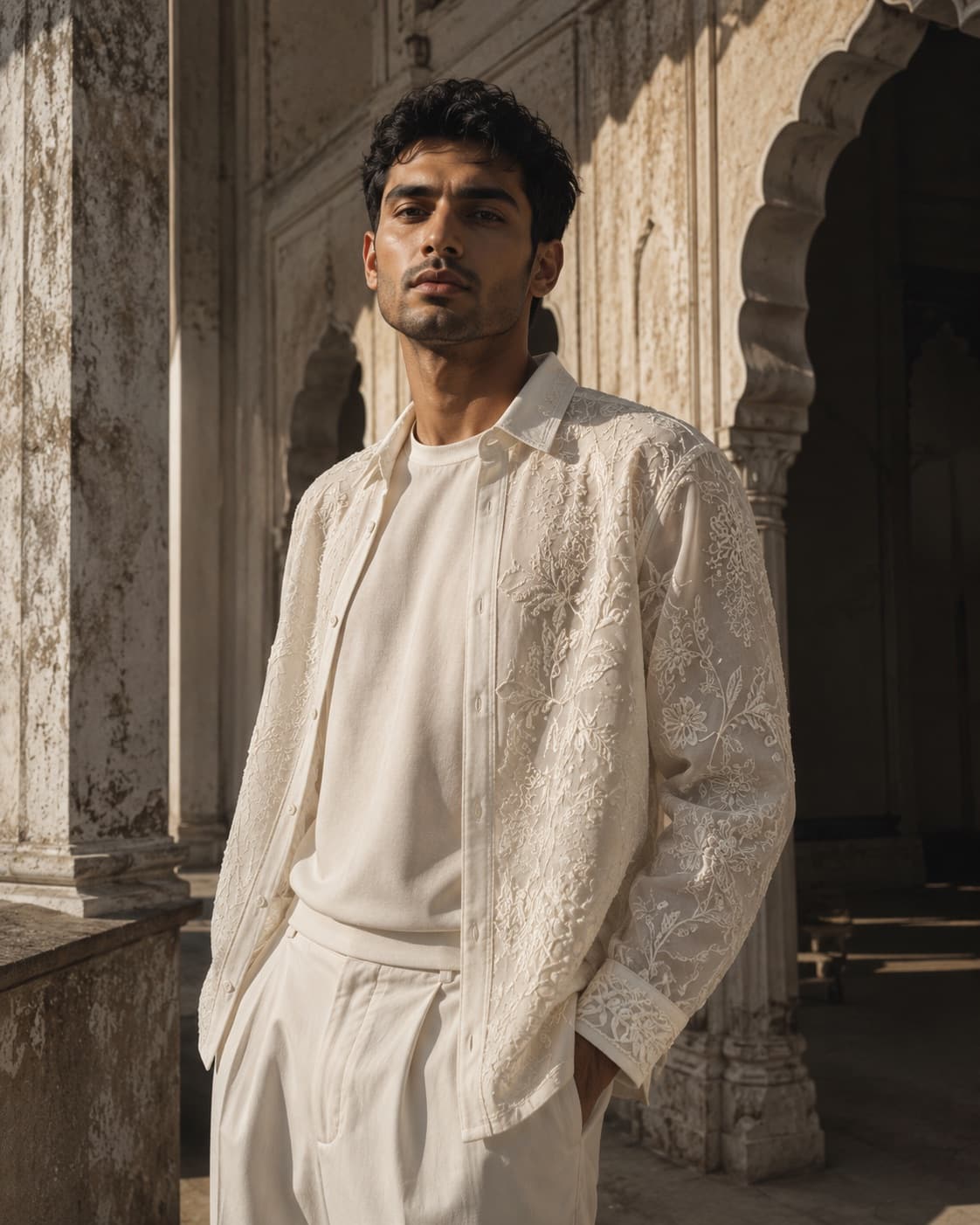
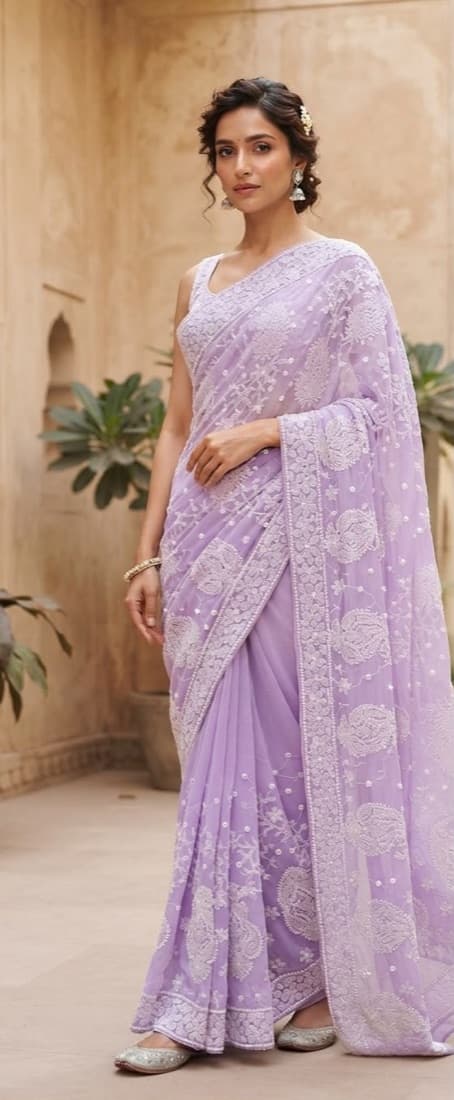
Woman wearing an ivory hand-embroidered chikankari overshirt and wide-leg trousers in a sunlit courtyard

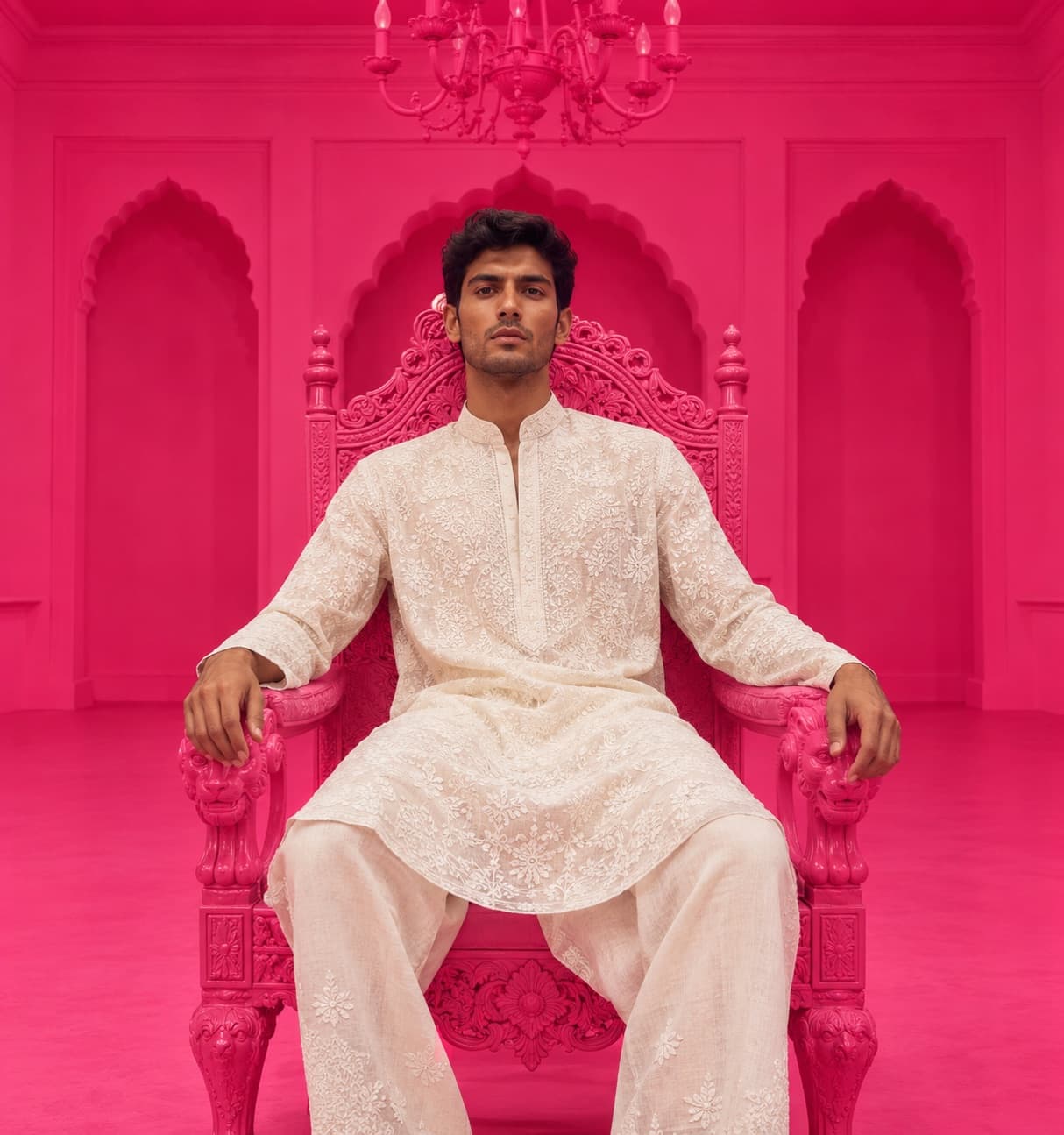
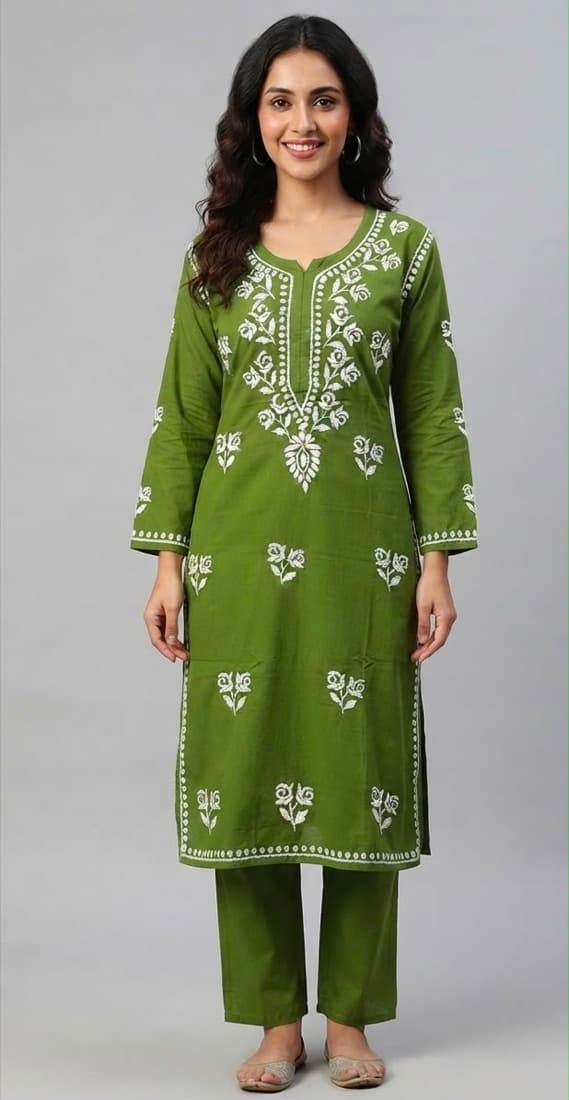
The luxury line. Full hand-chikan co-ords, overshirts and kurtas on fine cotton and mul — pieces that take a karigar weeks, not hours. Wear the set, or split it and wear the halves for a decade. Made to order.

Co-ords · Overshirts · Kurtas

₹8,000 — ₹25,000
LINE — II

گلی

STREET

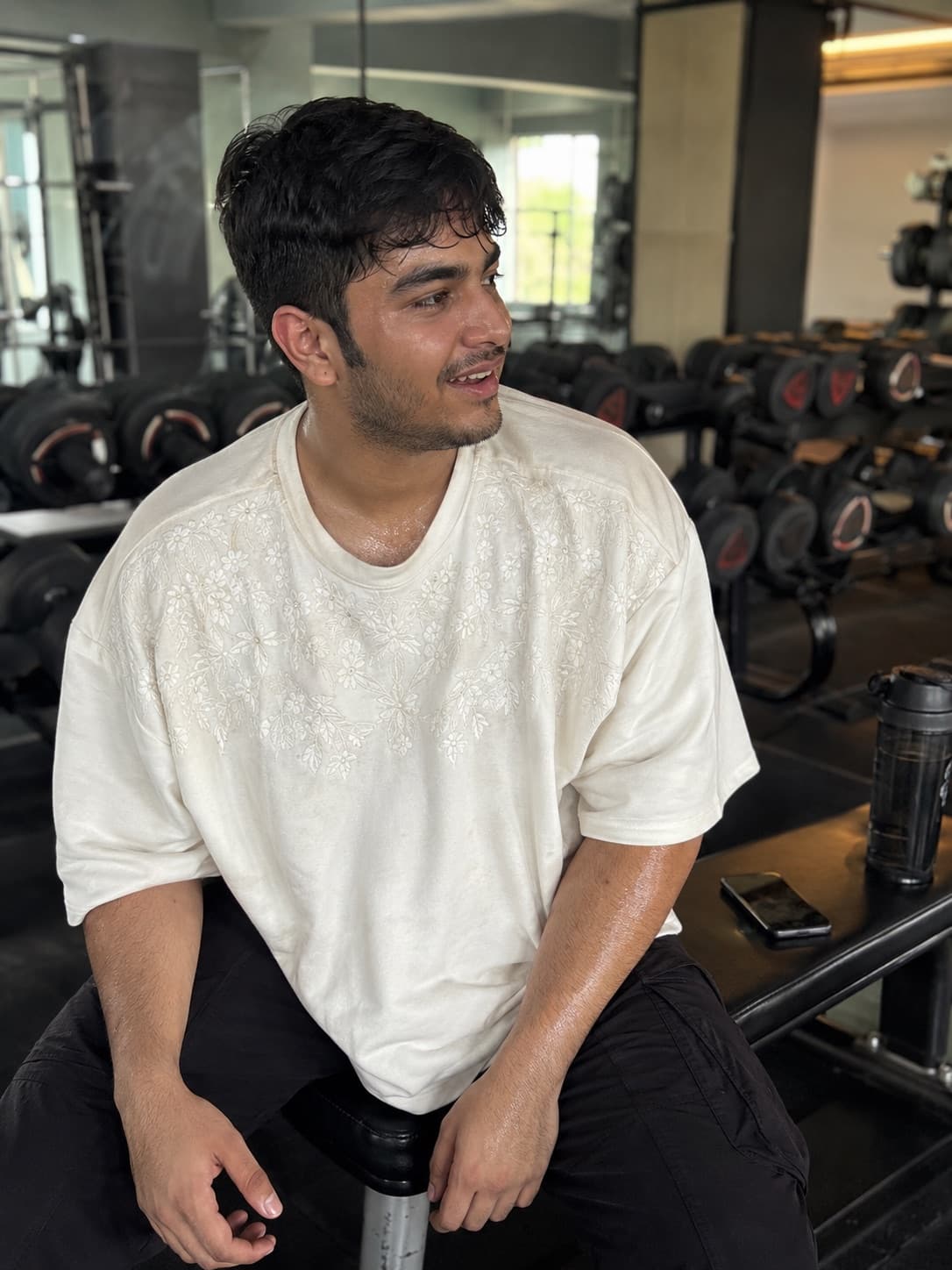
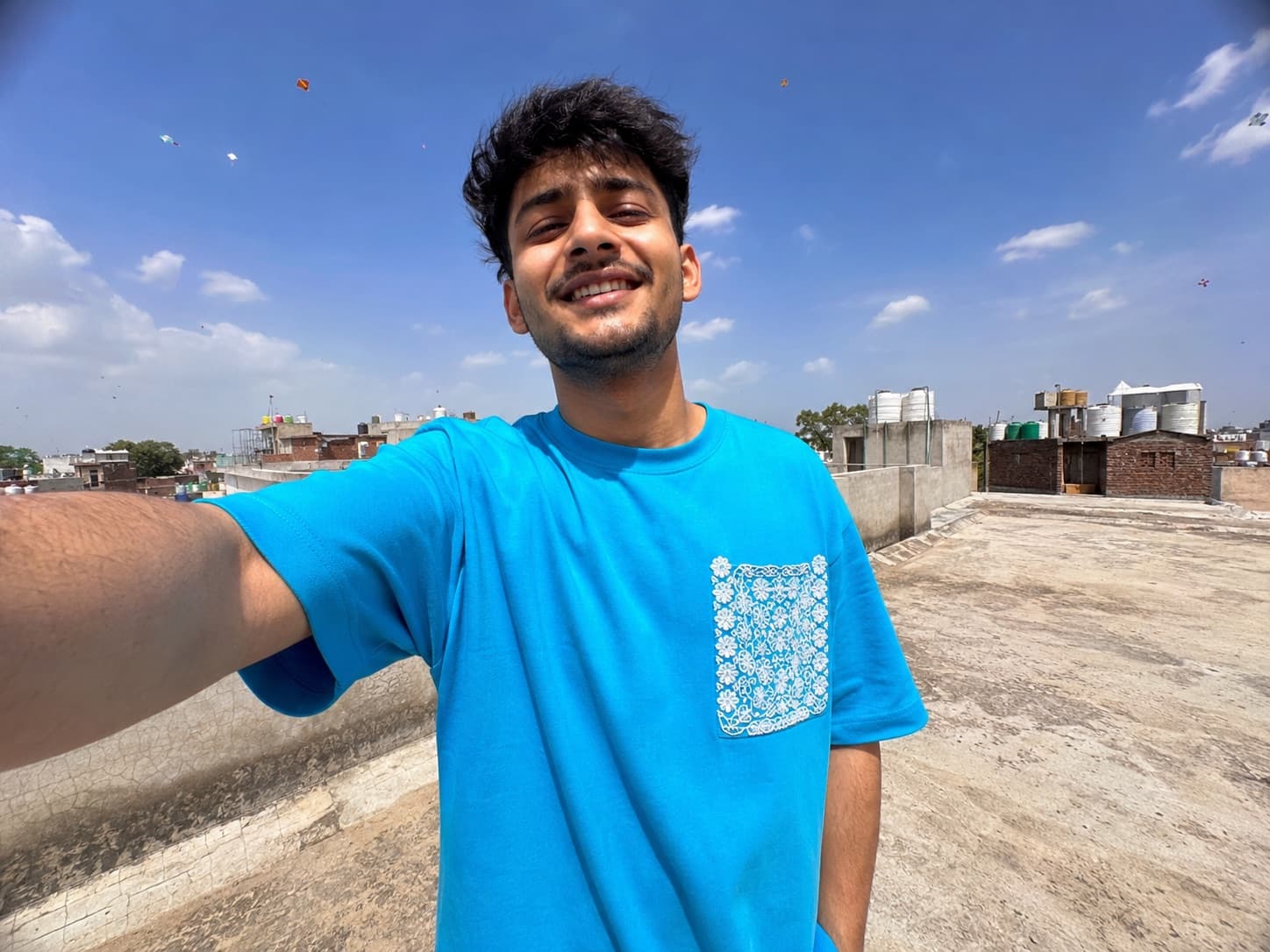
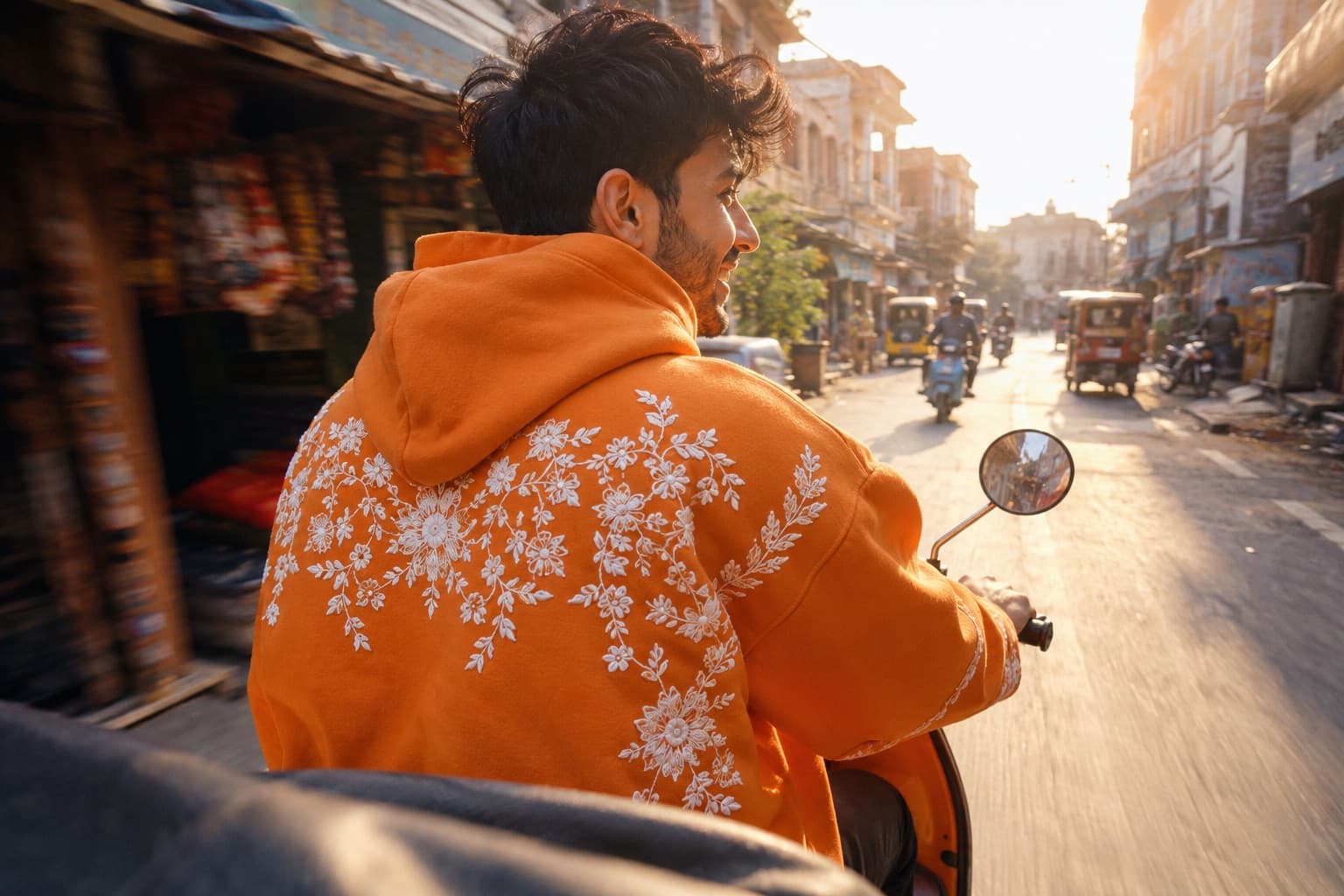
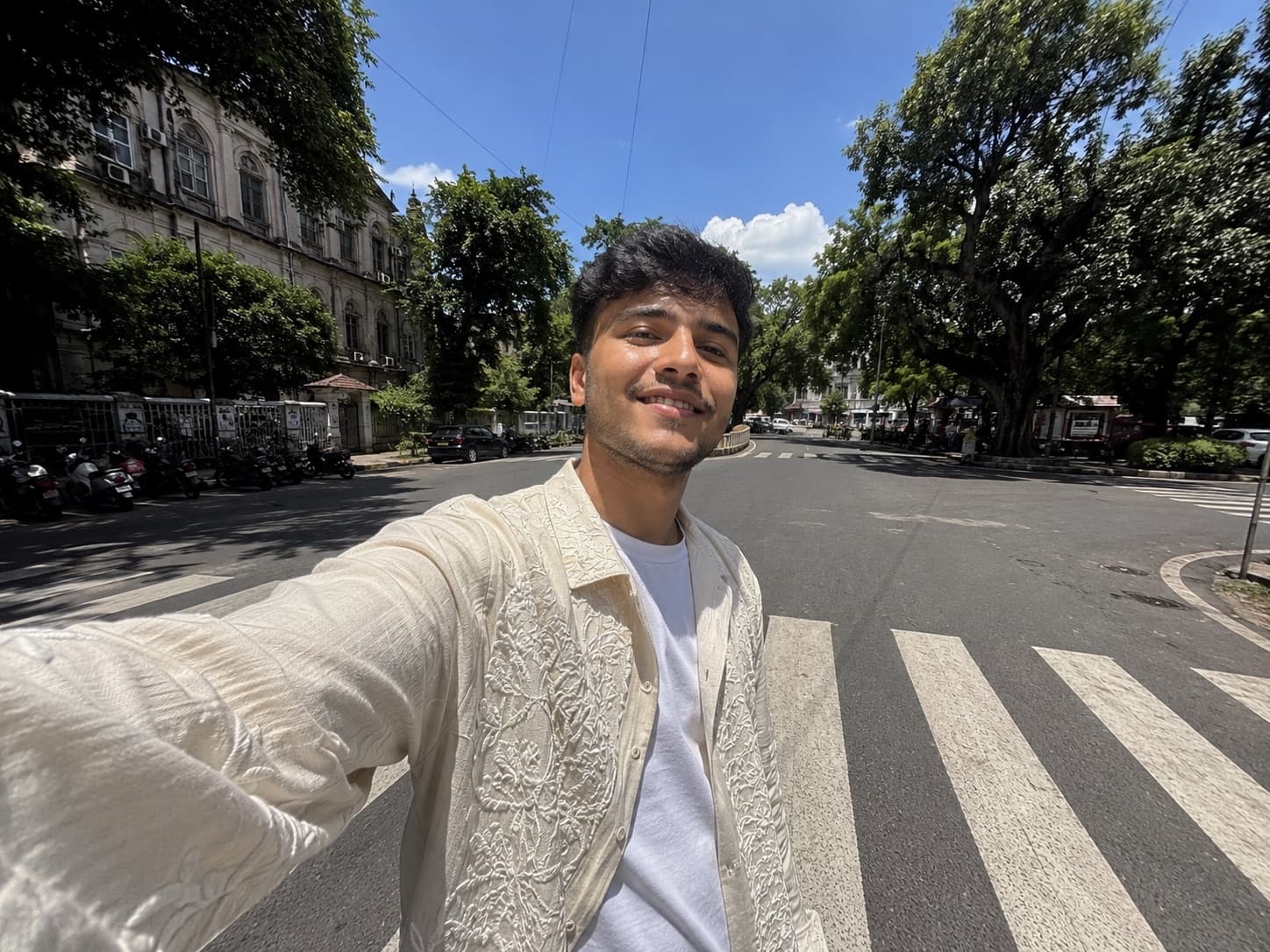
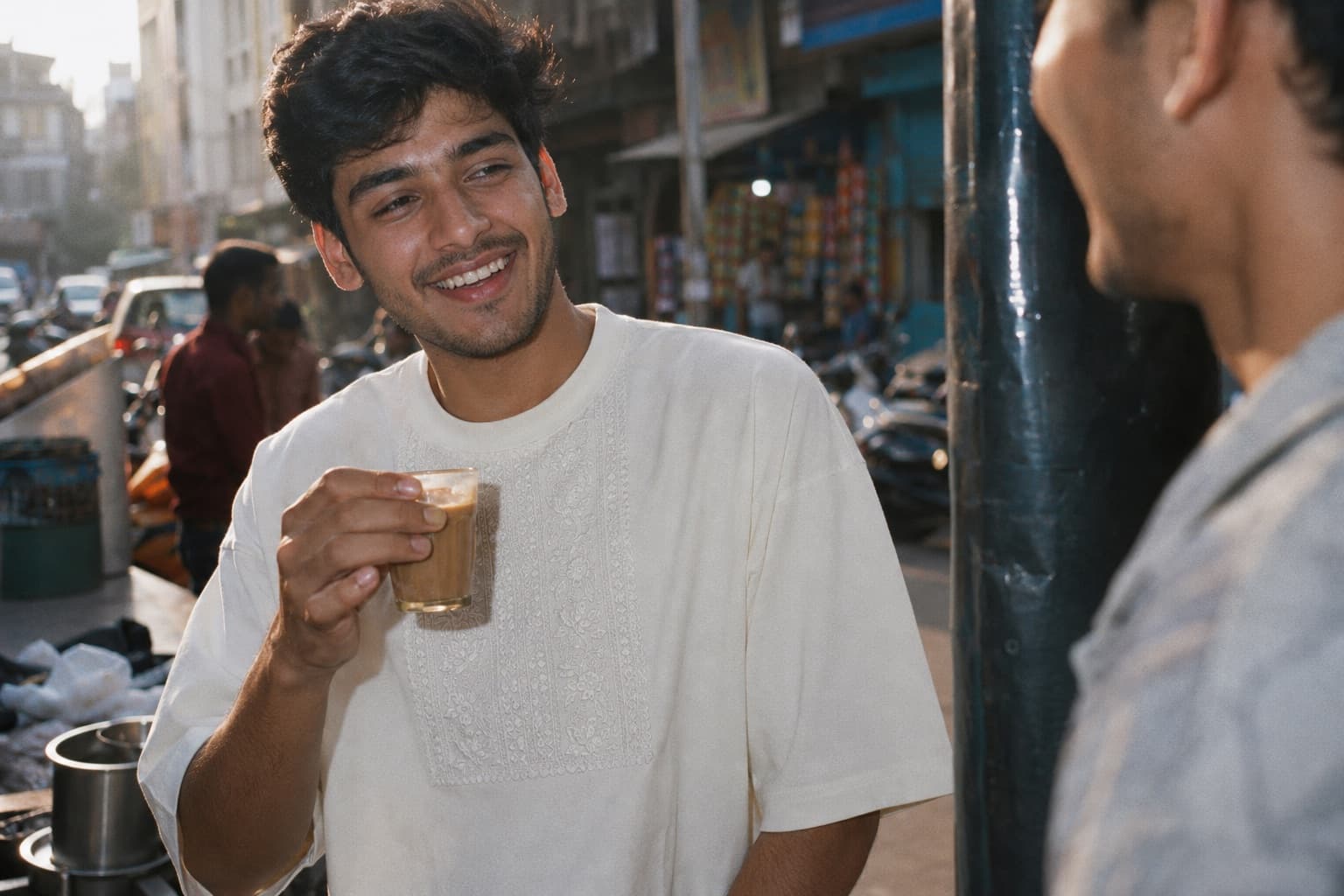
Man in an oversized heavyweight cotton tee with a hand-embroidered chikan chest panel on a Lucknow street

Everyday heavyweight. Oversized tees, cropped tees, hoodies and cargos with hand-stitched chikan panels — jaali on a chest pocket, murri down a sleeve. Loud craft, quiet flex.

Crops · Tees · Cargos

₹2,500 — ₹6,000

LINE — III

پسینہ

SWEAT

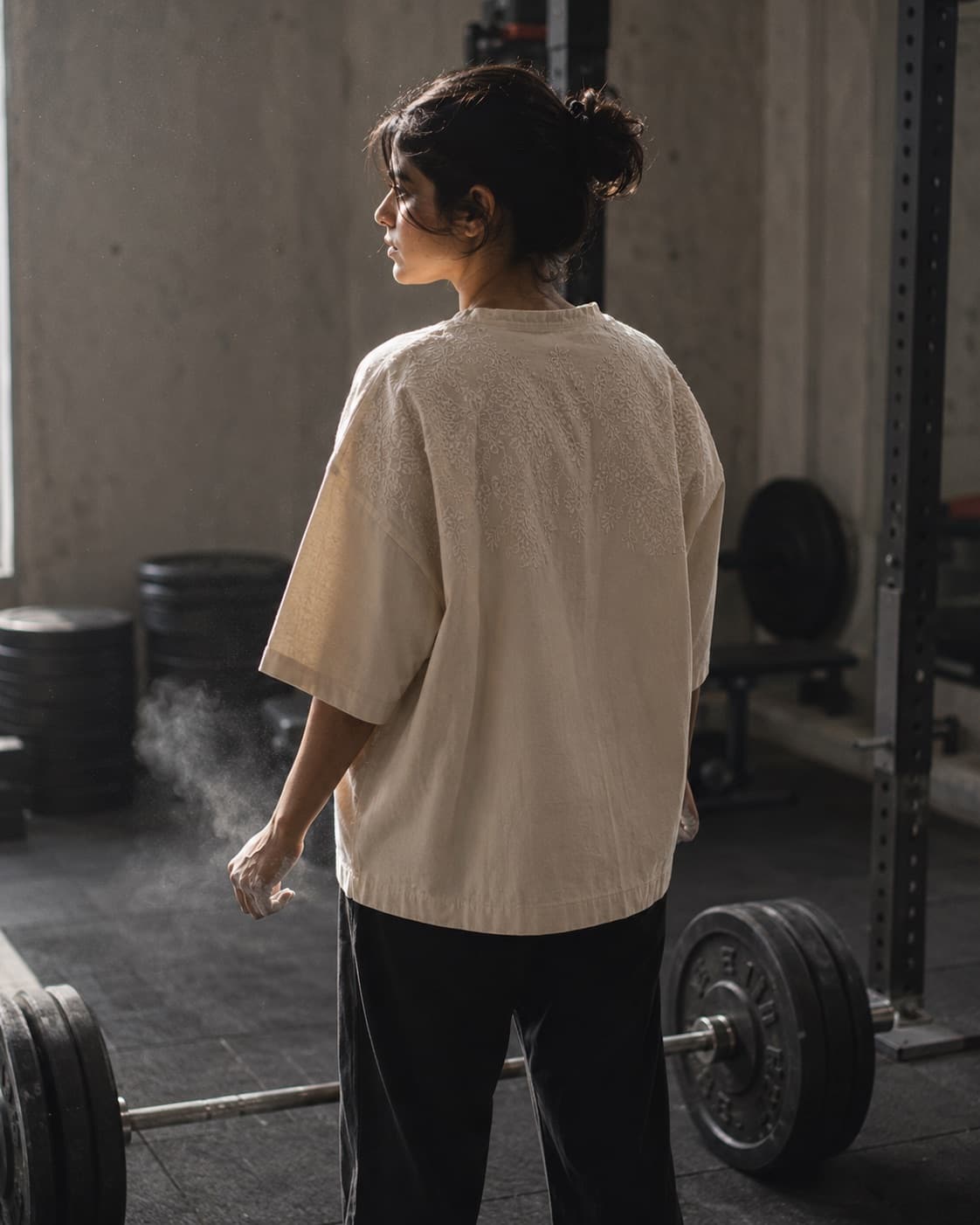
Woman in an oversized boxy pump cover with shadow-work embroidery across the upper back in a gym

The gym line — built on a simple truth: a pump cover is just an oversized cotton tee, and cotton is chikan's home ground. Breathable 240 GSM, boxy cut, shadow work across the back. Cut the same for everyone on the floor.

Pump covers · Gym tees · Towels

₹1,800 — ₹4,000

How It’s Worn

Not one occasion. Every one.

Hand embroidery got treated like an event. It isn’t. One wardrobe, one week — the same four pieces, worn the way they actually get worn.

Monday

Campus

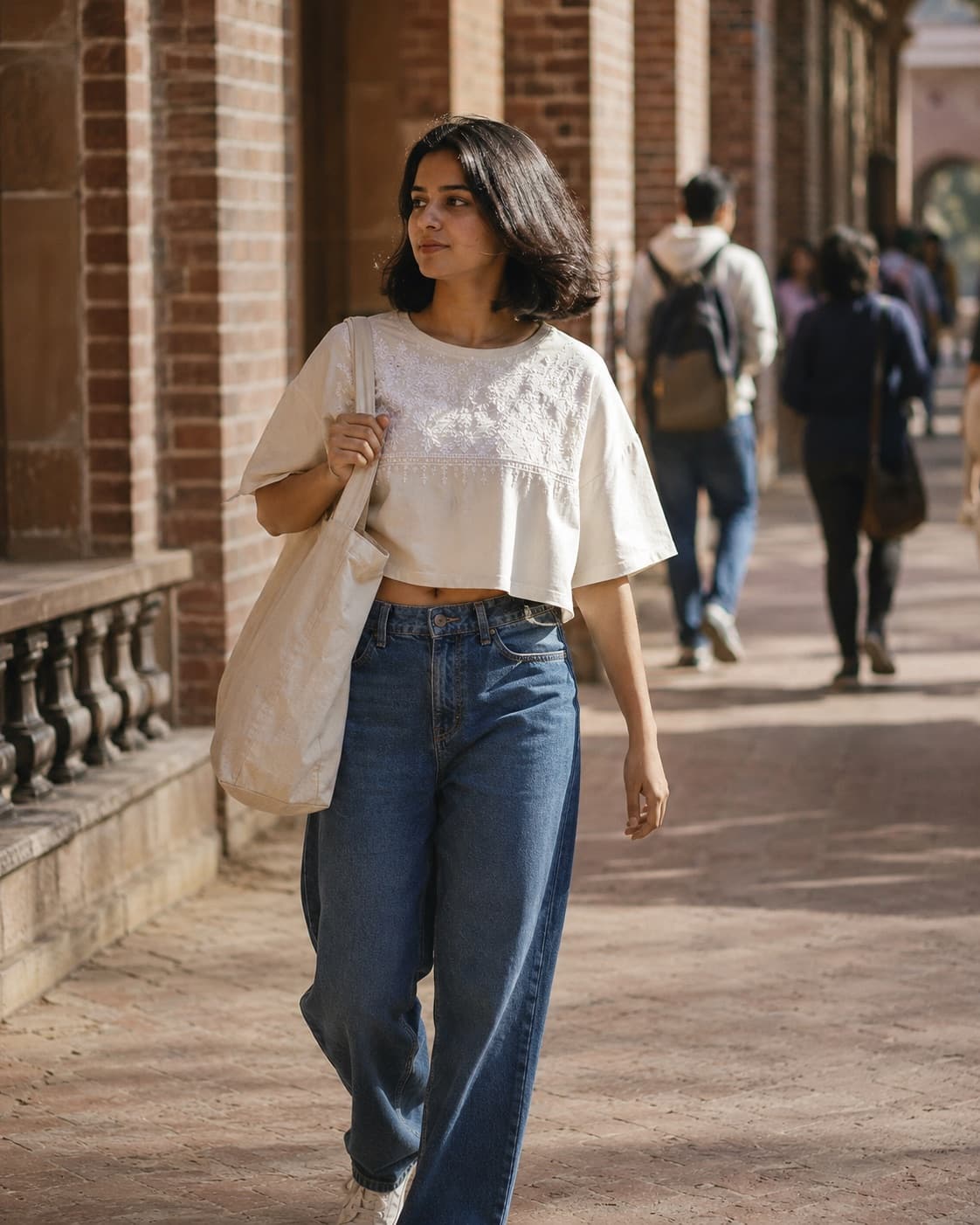
Woman in an oversized cropped chikankari tee and loose jeans crossing a college campus

Rumi Crop Tee

with loose jeans and beaten-in sneakers

Line — Street

Thursday

Desk

Woman wearing the chikankari co-ord kurta separately over tailored trousers at a desk

Imambara Co-ord

split — the kurta alone over tailored trousers

Line — Court

Saturday

Night

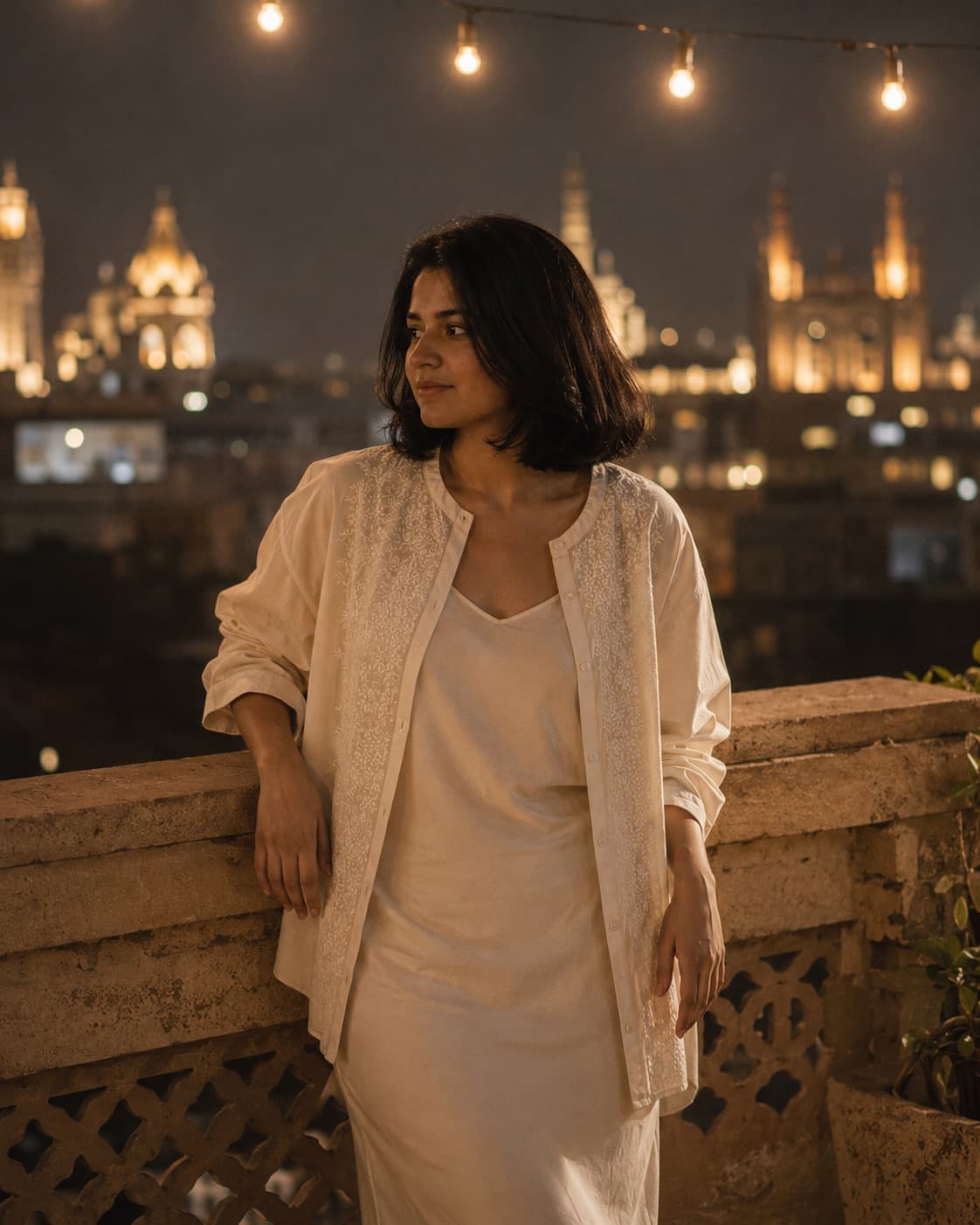
Woman wearing a hand-embroidered chikankari overshirt open over a slip at night

Darbar Overshirt

worn open, sleeves pushed back

Line — Court

Sunday

Floor

Woman in an oversized chikankari pump cover and track pants on a gym floor

Pasina Pump Cover

over track pants, hair up

Line — Sweat

Drop 01 Lookbook

Shadow Work, Worn.

Darbar Overshirt — Court line, Bakhiya stitch

Darbar Overshirt

Court line

Bakhiya

Rumi Crop Tee — Street line, Jaali stitch

Rumi Crop Tee

Street line

Jaali

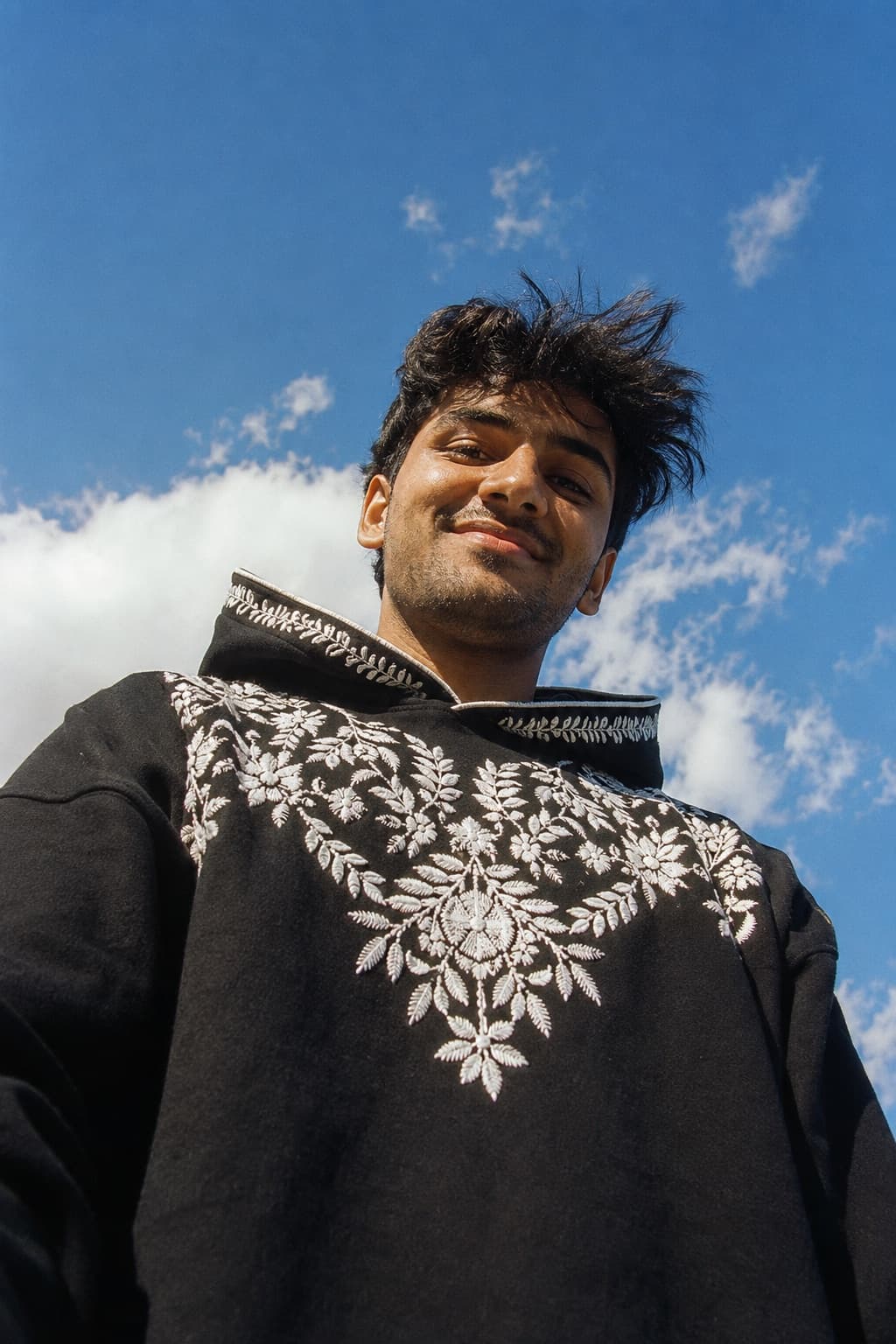
Shadow Hoodie — Street line, Murri stitch

Shadow Hoodie

Street line

Murri

Imambara Co-ord — Court line, Phanda stitch

Imambara Co-ord

Court line

Phanda

Pasina Pump Cover — Sweat line, Bakhiya stitch

Pasina Pump Cover

Sweat line

Bakhiya

Gali Cargo Set — Street line, Jaali stitch

Gali Cargo Set

Street line

Jaali

The Craft

Four stitches carry the whole house.

Chikankari has over thirty named stitches. We build around four — each visible on the garment, each named on the label, each done by hand.

Bakhiya

بخیہ

The shadow stitch, and the reason this house exists. Worked on the reverse so the motif glows through the fabric — embroidery you sense before you see.

Murri

مری

Tiny rice-grain knots that build texture. The hardest stitch to master — the mark of a senior karigar's hand.

Phanda

پھندا

Small round millet-seed knots, dotted like grain across a panel. Quiet from far, dense up close.

Jaali

جالی

Thread pulled — never cut — to open a lattice in the cloth itself. The same geometry as a Lucknow window screen.

“The cloth remembers the hand.”

Every Aabru tag carries the name of the karigar who stitched it — because the craft has a face, and it lives in Lucknow.

Karigar-Signed

Dignified portrait of a senior woman karigar seated at an embroidery frame in a Lucknow workshop

پہلا قدم

Drop 01 — Shadow Work.

Forty pieces. Three lines. One city. Waitlist gets first access, twenty-four hours early.

No spam. Sirf drops.